United Airlines
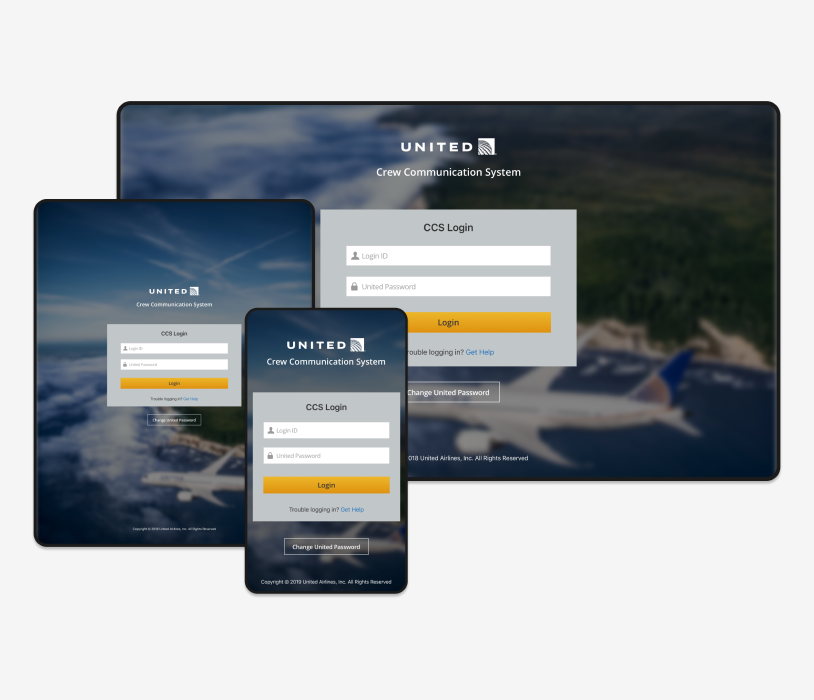
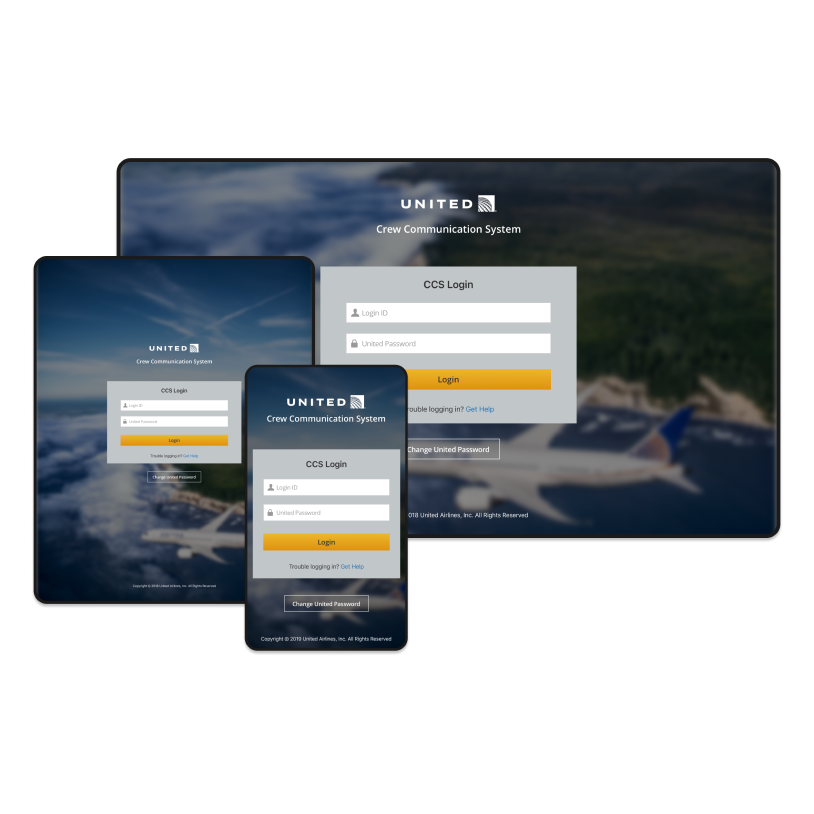
Crew Communication System
CCS is a centralized platform for flight attendants (FAs) to manage schedules and access non-operational information, reimplemented to unify pre-merger Continental and United systems under new business rules and functions.
Role & Scope
UX Strategy & Delivery Lead: Spearheaded end-to-end user experience strategy, aligning business, technology, and union stakeholders to transform a mission-critical crew platform. Defined research priorities, established design frameworks, and guided cross-functional delivery to ensure the solution balanced operational requirements, user needs, and long-term scalability.
Background & Challenge
Before the merger, flight attendants operated on two legacy systems:
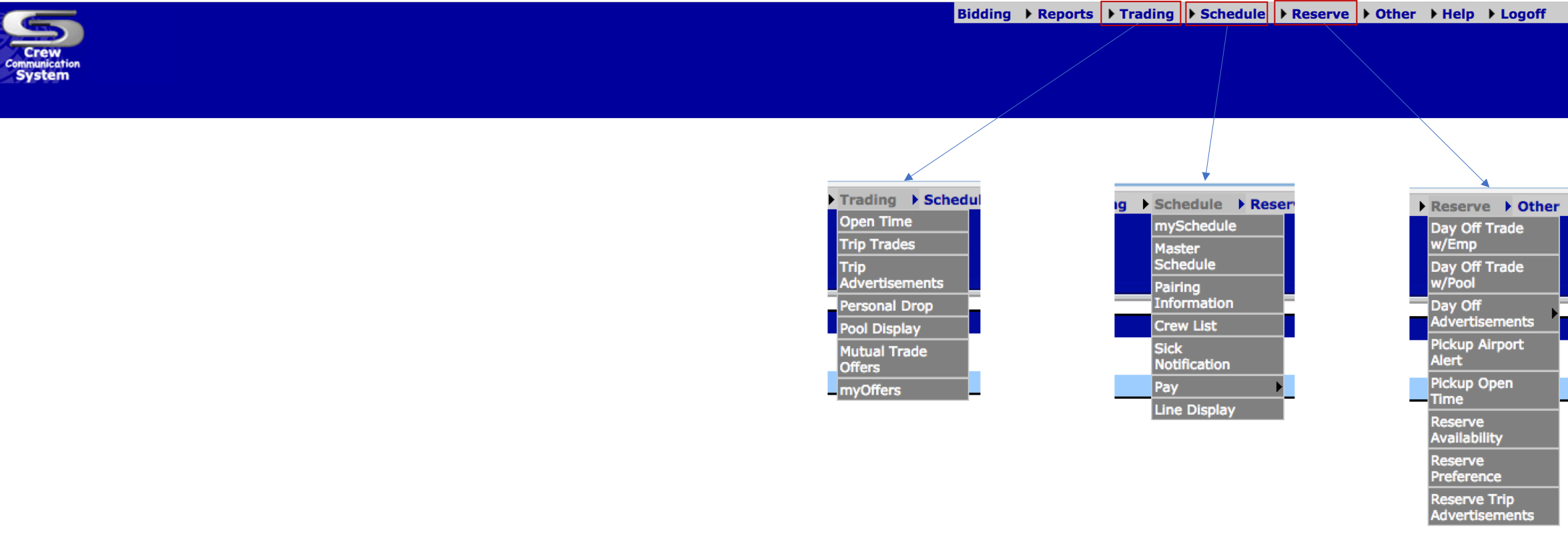
- Continental CCS (dated web app)
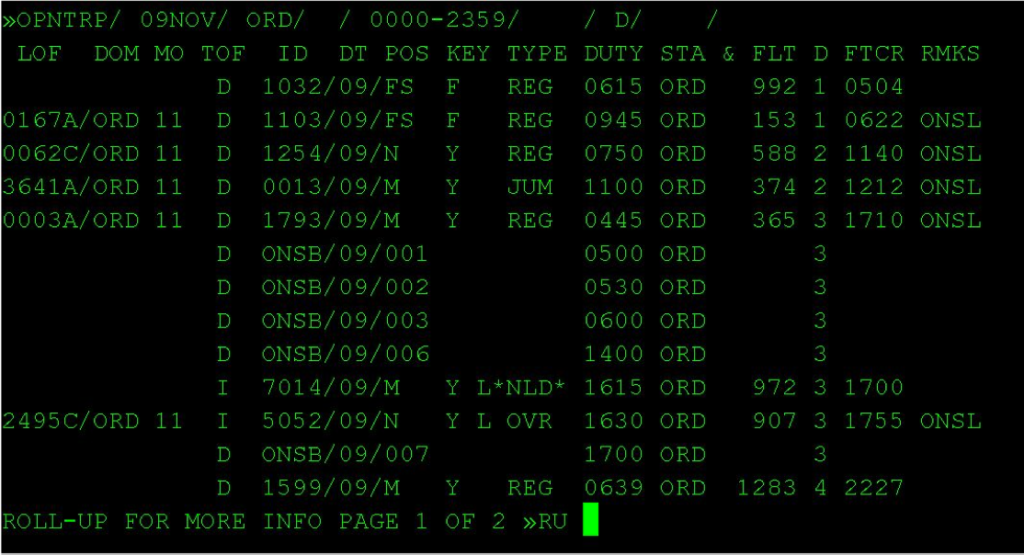
- United UNIMATIC (mainframe app)
Post-merger, CCS was chosen as the unified platform—but it faced critical issues:
- Outdated UI and poor usability, driving adoption of third-party apps (a security risk)
- Complex trading workflows, requiring multiple pages to complete essential schedule changes
- Opaque pay management, with manual calculations and no GUI transparency
The new CCS had to modernize the UI, eliminate 3rd-party reliance, streamline trading, and simplify pay—all while earning the trust of more than 25,000 flight attendants and their union.
Pre-Merger Flight Attendant Applications

Strategy & Leadership
I led end-to-end UX strategy and delivery, balancing union relationships, technical constraints, and business goals:
- Inclusive Design Leadership: Built trust with flight attendants and union leaders by ensuring they were represented in research and design decisions—shifting IT’s mindset toward user-centered design.
- Discovery & Research: Directed multi-base interviews (IAH, DEN, SFO) and focus groups to uncover goals, motivations, and pain points. Exposed key drivers: efficiency in trading, maximizing pay, and mobile accessibility.
- Information Architecture: Established the CCS framework, optimized site navigation, and minimized click-depth across core journeys (bidding, trading, pay review).
- Union Transparency: Used wireframes and usability sessions with union reps to create alignment, validate contract compliance, and reduce friction in IT–union relations.
- Mobile Advocacy: Presented research insights to leadership to successfully start the conversation on a mobile solution, delivering a hybrid responsive app as an interim step.
Research
Key Insights
- Flight attendants are mobile-first, highly visual, and community-driven; many paid for third-party tools simply to access better UX and crew photos.
- Trading is the most critical workflow—success depends on speed, visibility, and efficiency.
- Maximizing pay and time off are primary motivators; lack of a clear pay register caused confusion and reliance on manual calculations.
Research Artifacts
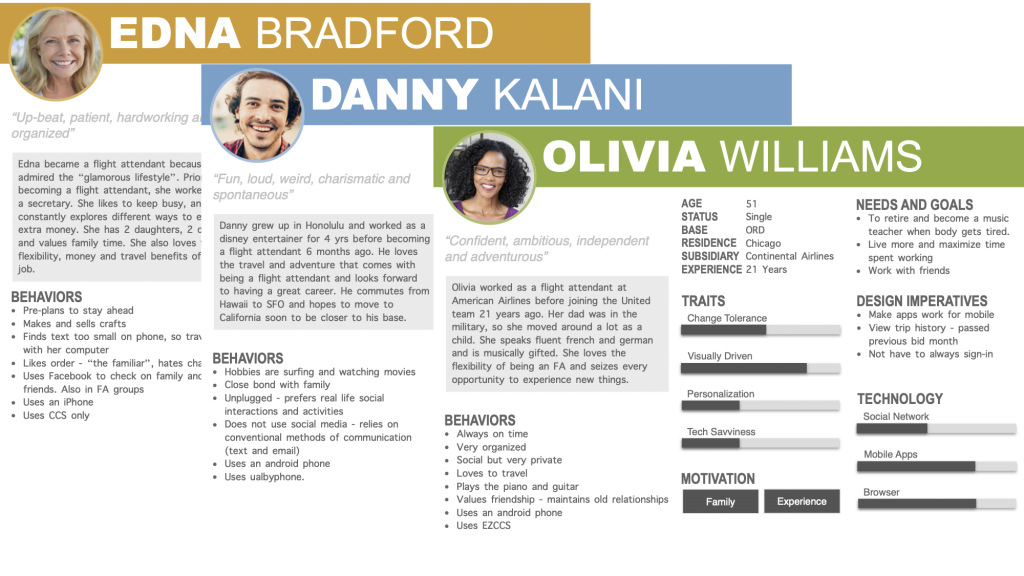
We leveraged research-driven personas to map flight attendants’ end-to-end journeys, pinpointing the critical information needed before, during, and after a bid cycle—and intentionally streamlined navigation to minimize clicks and improve efficiency.
Soution
- Modernized UI aligned with United’s brand guidelines
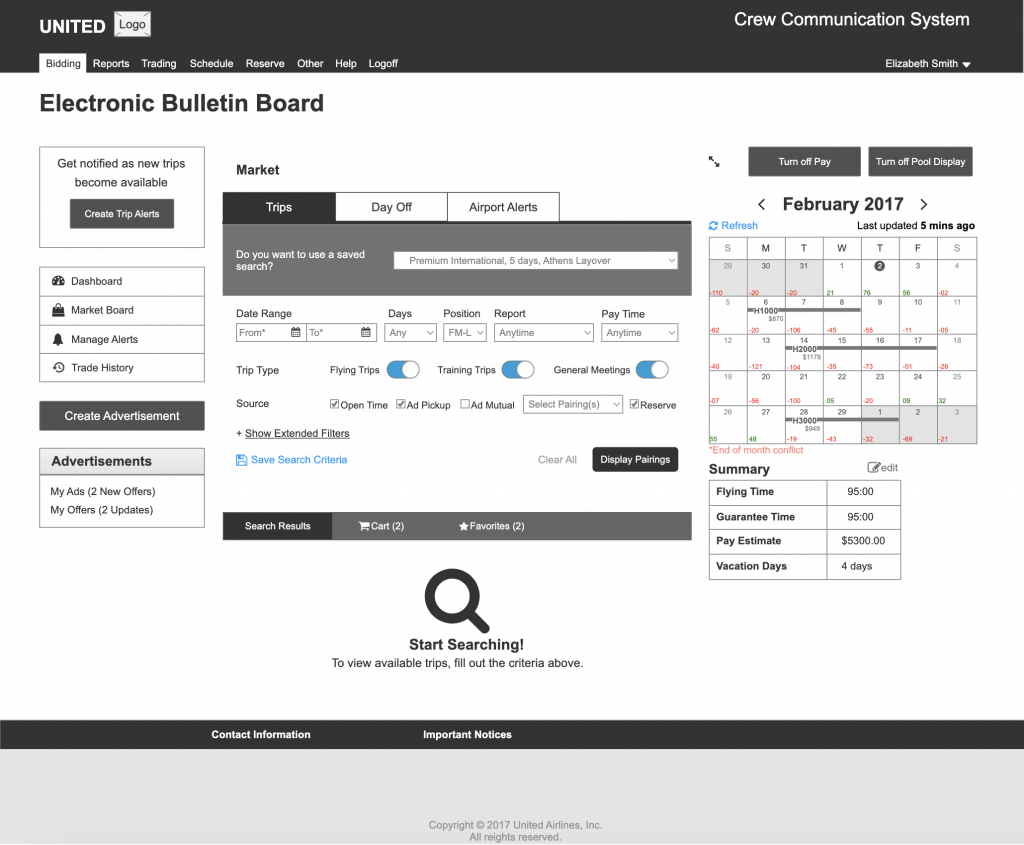
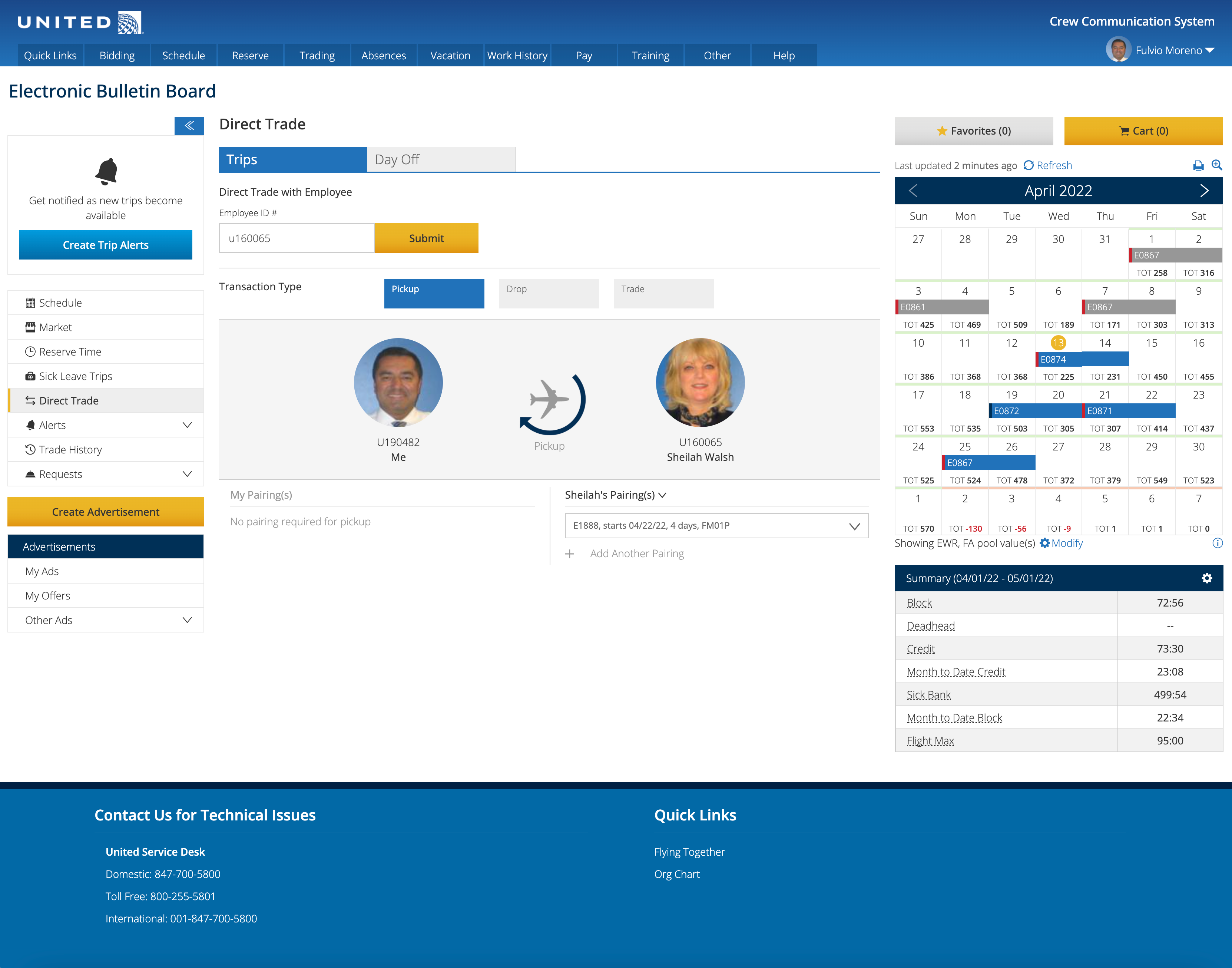
- Electronic Bulletin Board (EBB): One-stop hub for all trip-trading activities, keeping navigation, schedules, and pay visible at all times
- Pay Register: Simplified, transparent pay management, replacing manual workarounds
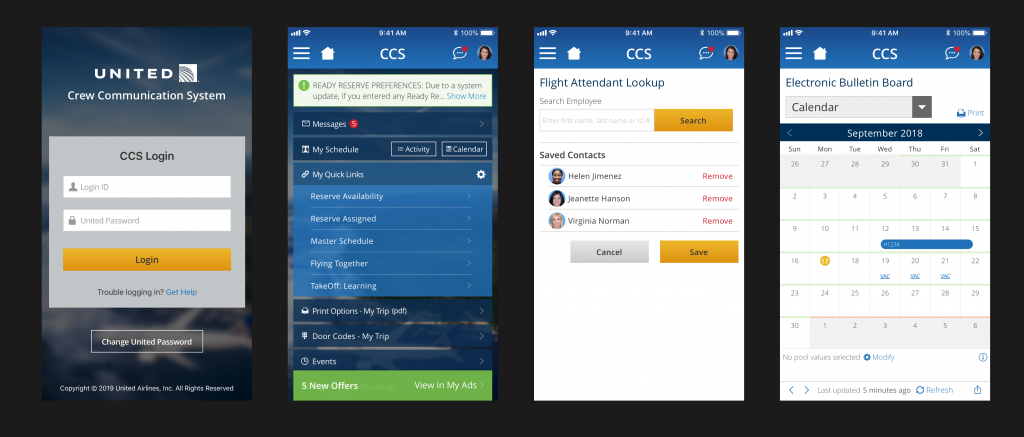
- Mobile Hybrid App: Introduced mobile access using responsive patterns with native sign-in/navigation, addressing the “on-the-go” nature of FA workflows
- Eliminated 3rd-party reliance, consolidating workflows into a secure, centralized platform
Electronic Bulletin Board

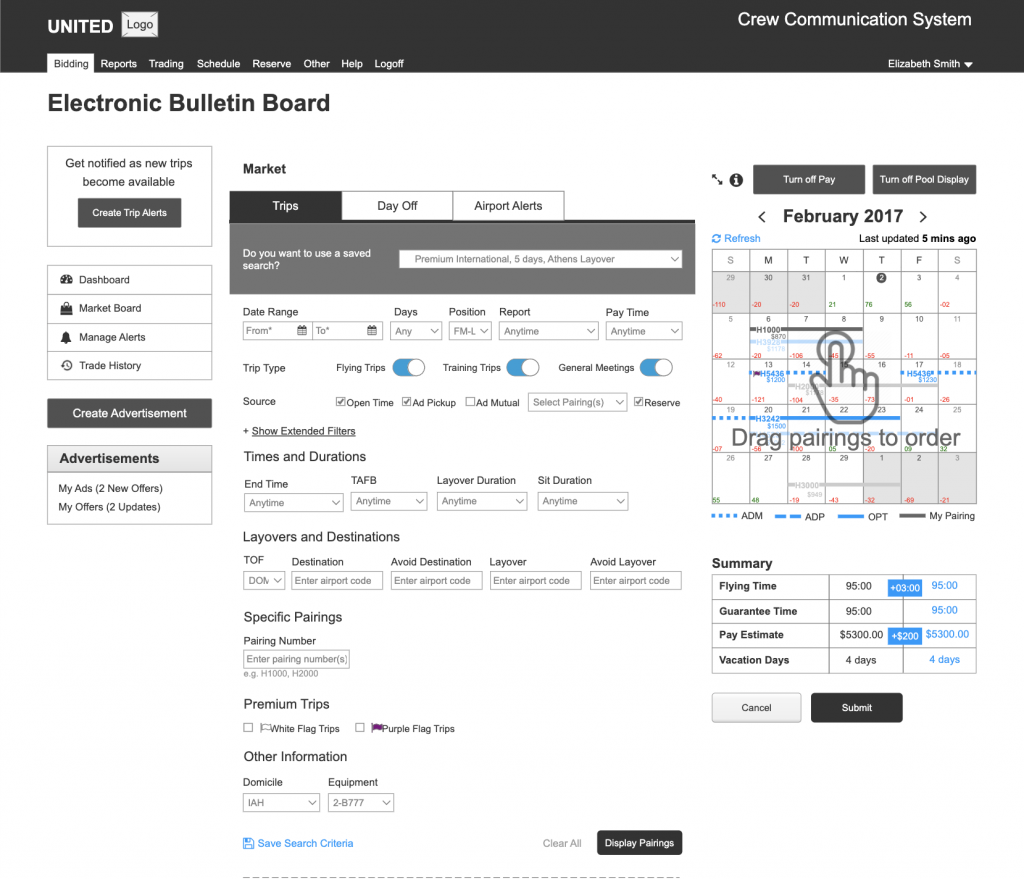
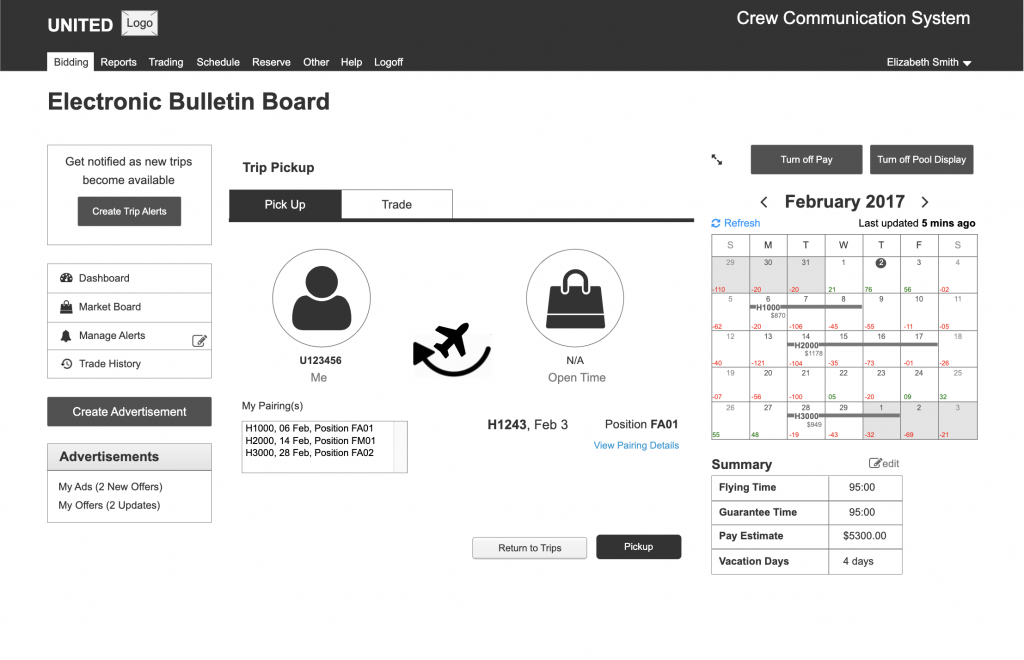
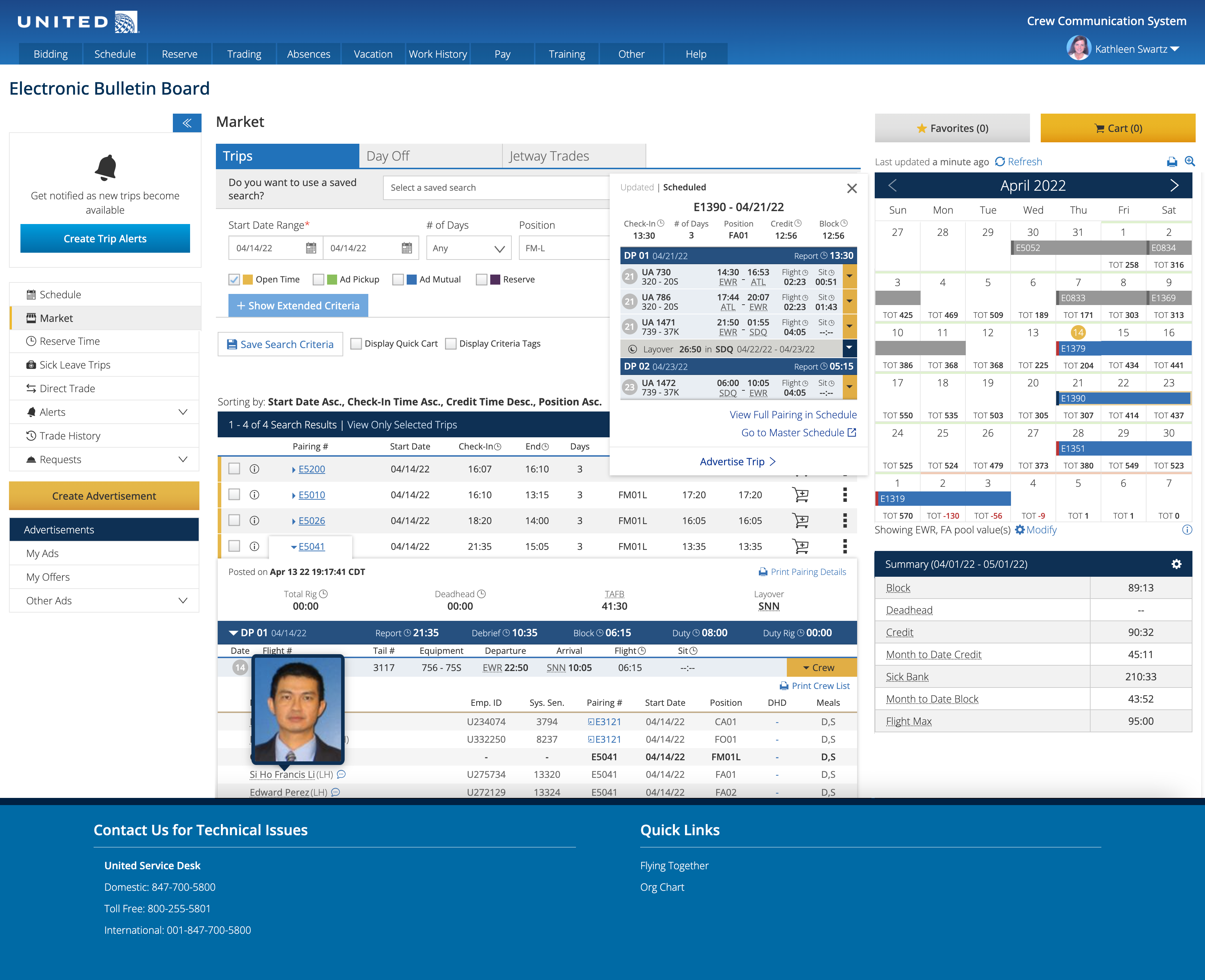
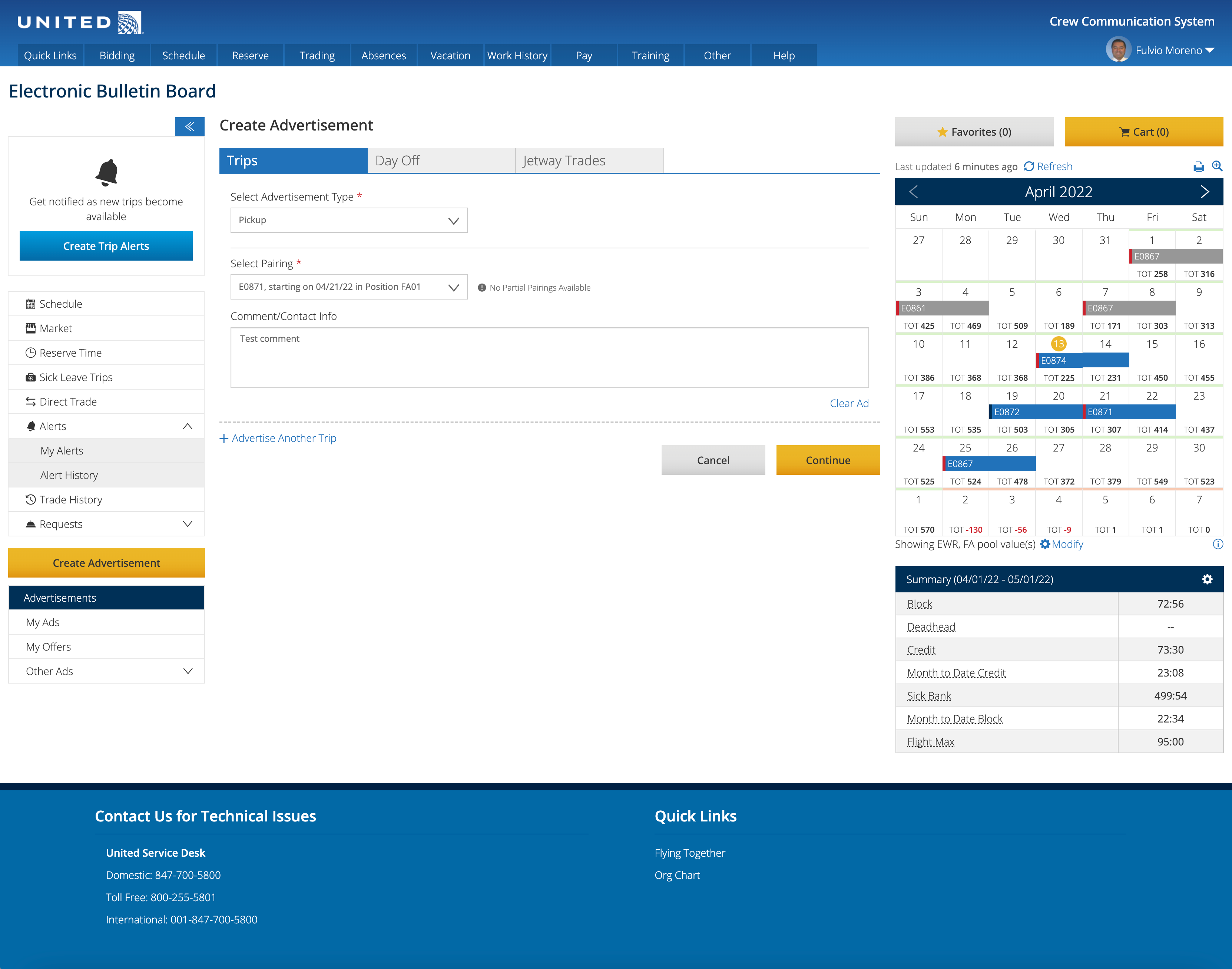
High Fidelity Designs
Mobile App
Pay Register


Outcomes
- Delivered a modernized, streamlined CCS that improved intuitiveness, navigation, and transparency
- Eliminated security risks by replacing external 3rd-party tools
- Improved IT–Union relations through inclusive, transparent design practices
- Strengthened adoption by aligning with FA culture, workflows, and mobility needs
- Established a scalable foundation for future enhancements across crew systems
Leadership Takeaway
This initiative highlights my ability to lead enterprise-scale transformation in a complex, unionized environment, balancing business rules, user needs, and technical feasibility. By embedding inclusive research and design thinking, I not only modernized a mission-critical system but also improved trust and collaboration across IT, business, and union stakeholders.